
SUMMARY
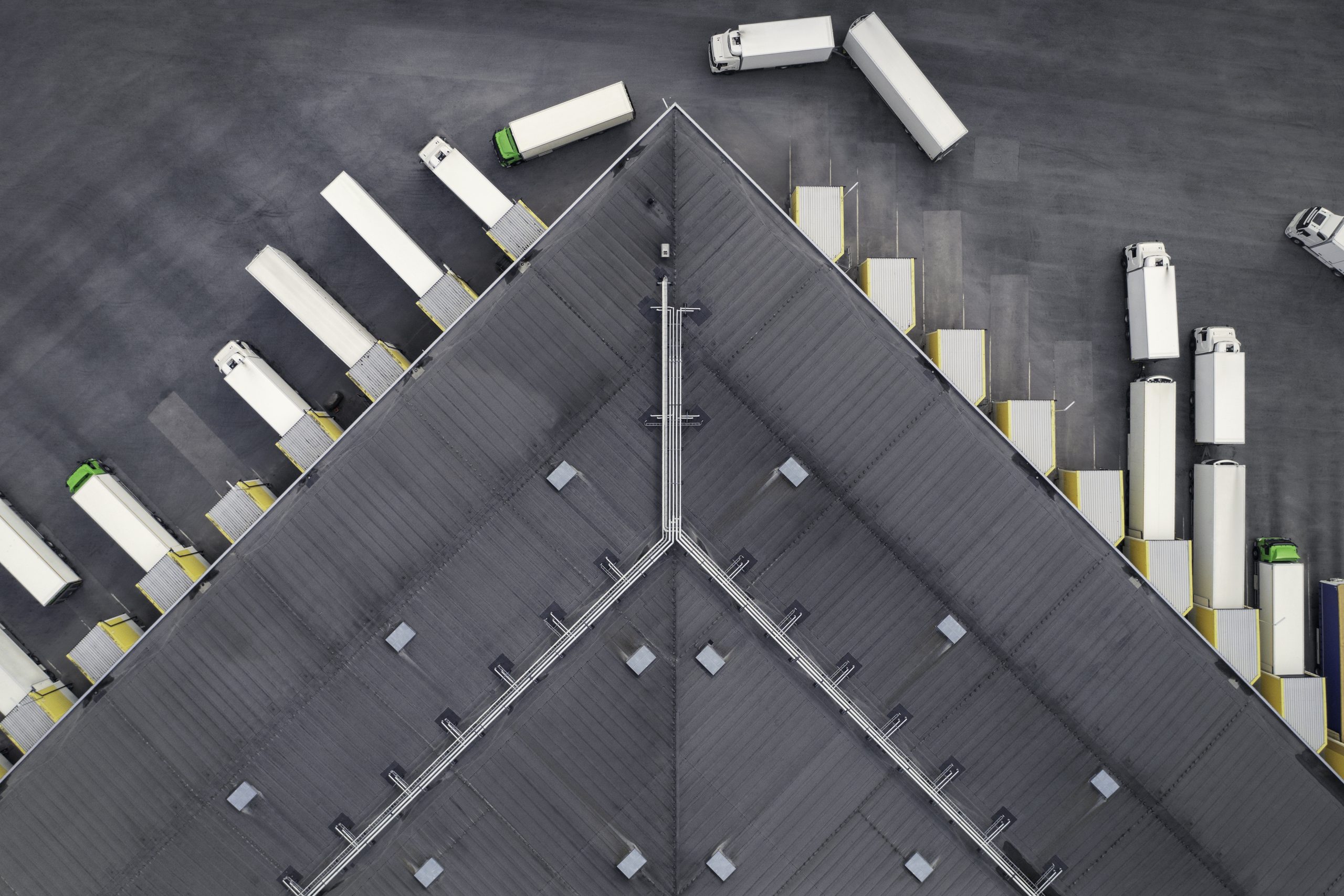
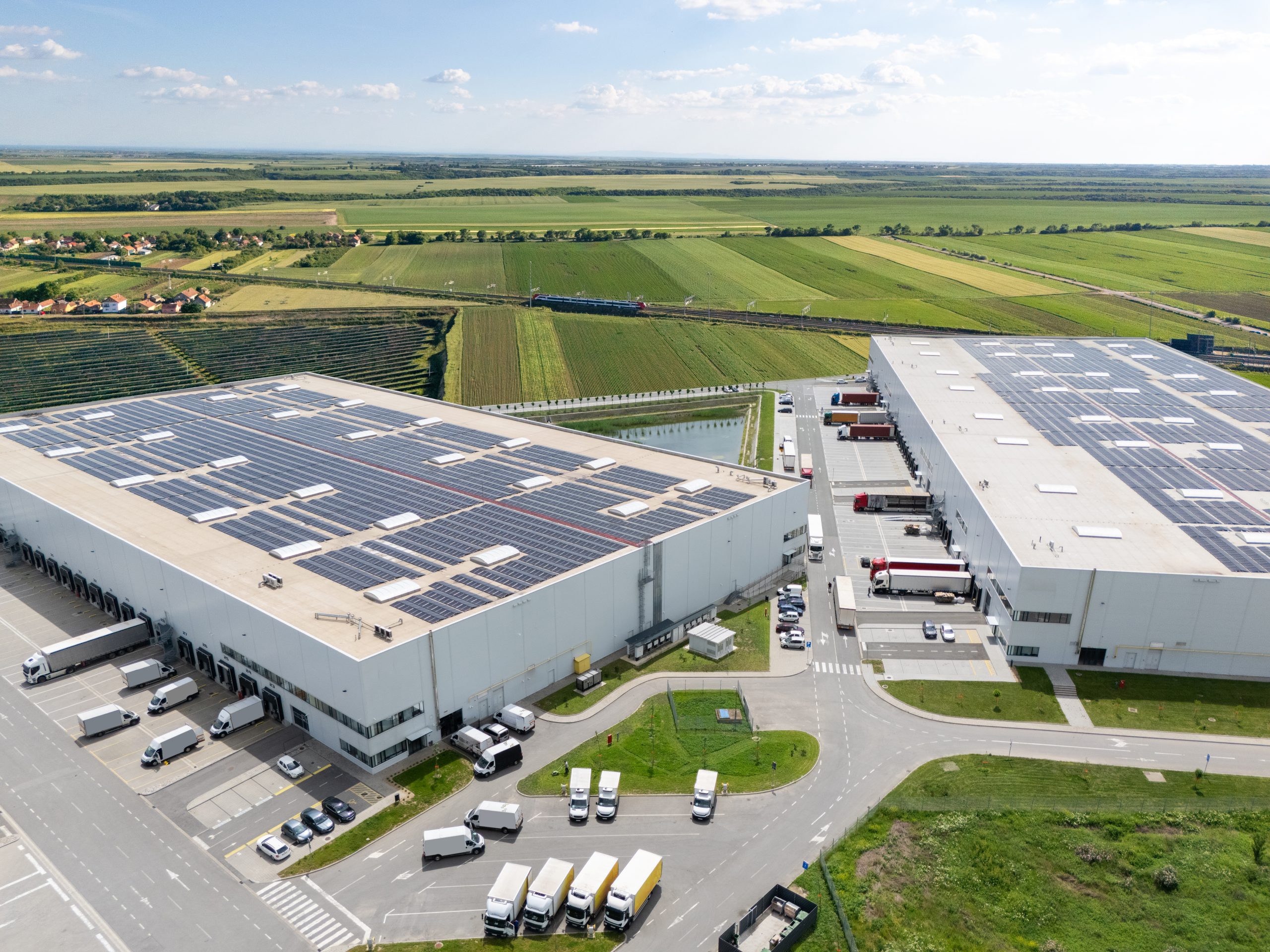
Modern logistics real estate is increasingly separating itself from older stock as occupier requirements evolve. Driven by automation, robotics, sustainability standards, and supply chain transformation, demand is becoming increasingly concentrated in modern, Grade A facilities. The report highlights how newer logistics assets are leasing faster, achieving stronger absorption and delivering superior rental growth, while older buildings face growing obsolescence risk and potential repositioning requirements.
At the same time, constrained development pipelines across Europe are limiting new supply, reinforcing the scarcity and value of high-quality logistics space.European logistics completions and space under construction are currently running at roughly 40% below their 2022 peak, reflecting land scarcity, planning constraints, construction cost inflation, and power availability challenges. With development pipelines remaining thin and demand for modern logistics space resilient, the scarcity value of high-quality assets continues to increase.
Together, these trends are creating a widening performance gap between modern and older logistics assets, supporting a compelling investment case for well-located, future-ready logistics facilities aligned with the evolving needs of occupiers.
Read more and download the full article.