

EXECUTIVE SUMMARY
We are pleased to present our 2026 North American House View. This publication is produced each year and serves two essential purposes. First, it highlights our outlook for the North American economy and the commercial real estate (CRE) sector. Secondly, it presents our strategic focus areas and approach to capture the opportunities presented in the current environment.
Report Highlights:
- From Repricing to Relative Value: After several years of valuation adjustment and constrained liquidity, real estate capital markets are beginning to transition from gridlock toward normalization. While liquidity is returning unevenly, transaction evidence across public and private markets suggests much of the repricing has occurred, even as appraisalbased valuations remain uneven and inconsistently marked. The next stage of the cycle is increasingly defined by relative value, sector dispersion, and execution-driven outcomes.
- Bifurcated Economy Anchored by AI Investment: U.S. economic momentum is decelerating across much of the economy, as labor market softening and mounting strain on lower-income consumers dampen demand. The key exception remains AI-driven capital investment, which continues to support pockets of resilience through productivity gains and outsized spending.
- Data Centers and Power Infrastructure Constraints: Demand for data center capacity continues to accelerate, driven by cloud computing and generative AI adoption, while power availability has emerged as the binding constraint. This imbalance is reshaping market geography, redirecting investment toward U.S. and European markets with favorable energy profiles. The resulting scarcity supports long-term pricing power for developers able to secure and deliver energized capacity.
- Real Estate Lending: As banks and insurers recalibrate under evolving regulatory and capital frameworks, nonbank lenders are playing an increasingly central role in CRE finance. Real estate credit continues to offer an attractive opportunity, supported by conservative underwriting and tangible collateral. Structural demand for gap capital, construction lending, and senior mortgages persists as the market works through refinancing and recapitalization needs.
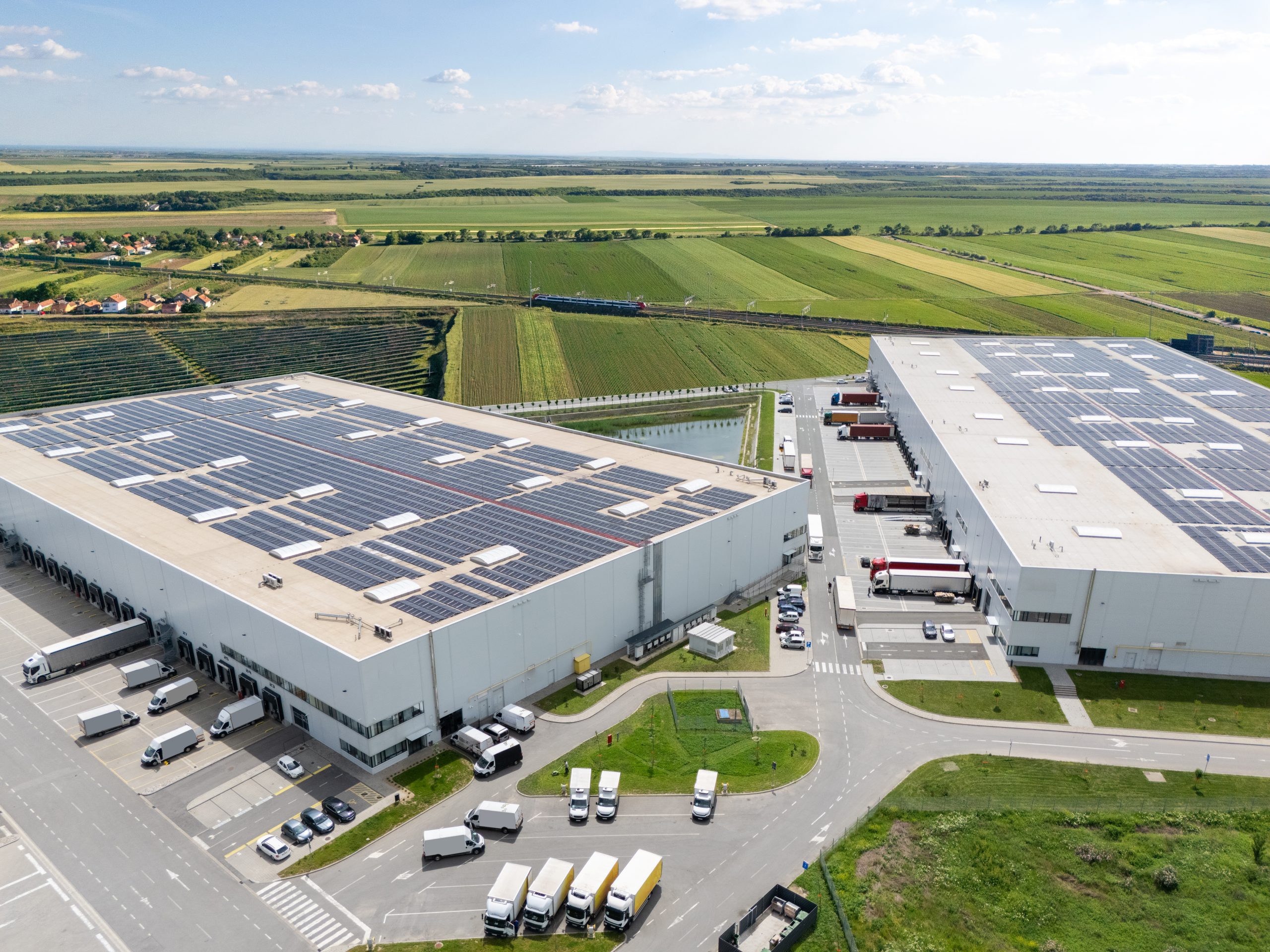
- Housing, Industrial, and Foundational Strategies in an Early Recovery: Supply pipelines across multifamily and industrial are contracting sharply following several years of elevated deliveries, setting the stage for improving fundamentals as capital availability gradually improves. Foundational strategies, particularly open-end funds with measured exposure to develop-to-core execution, are positioned to benefit from a new liquidity cycle.
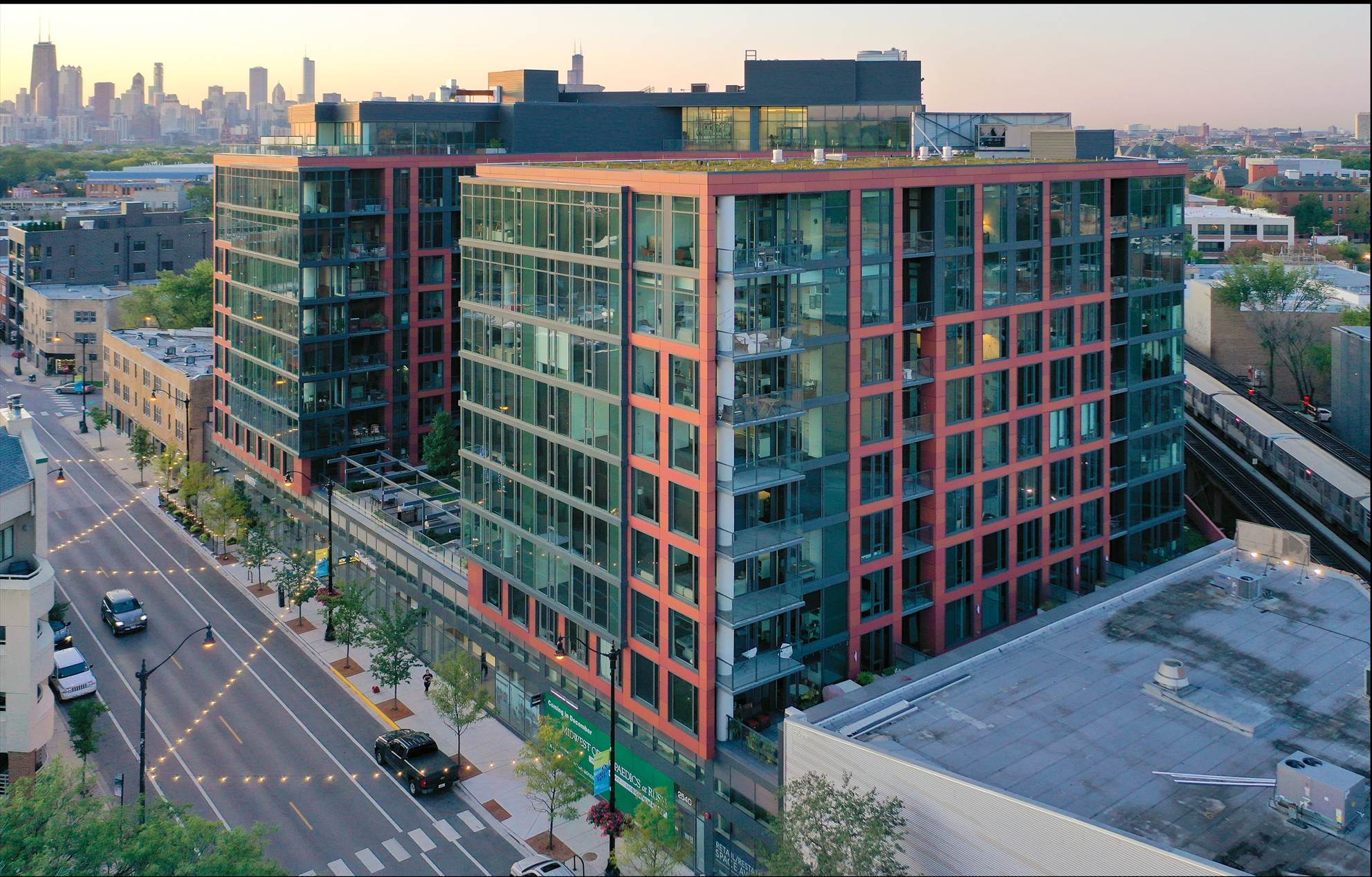
- Placemaking and Mixed-Use Rent Premiums: As the cycle shifts toward execution and tenant selectivity, placemaking is becoming a more important driver of relative performance. This trend is supported by consistent rent premiums in mixed-use environments, particularly within high-quality urban nodes.